
Skincare During Menopause
Understanding Changes and Creating a Supportive Routine
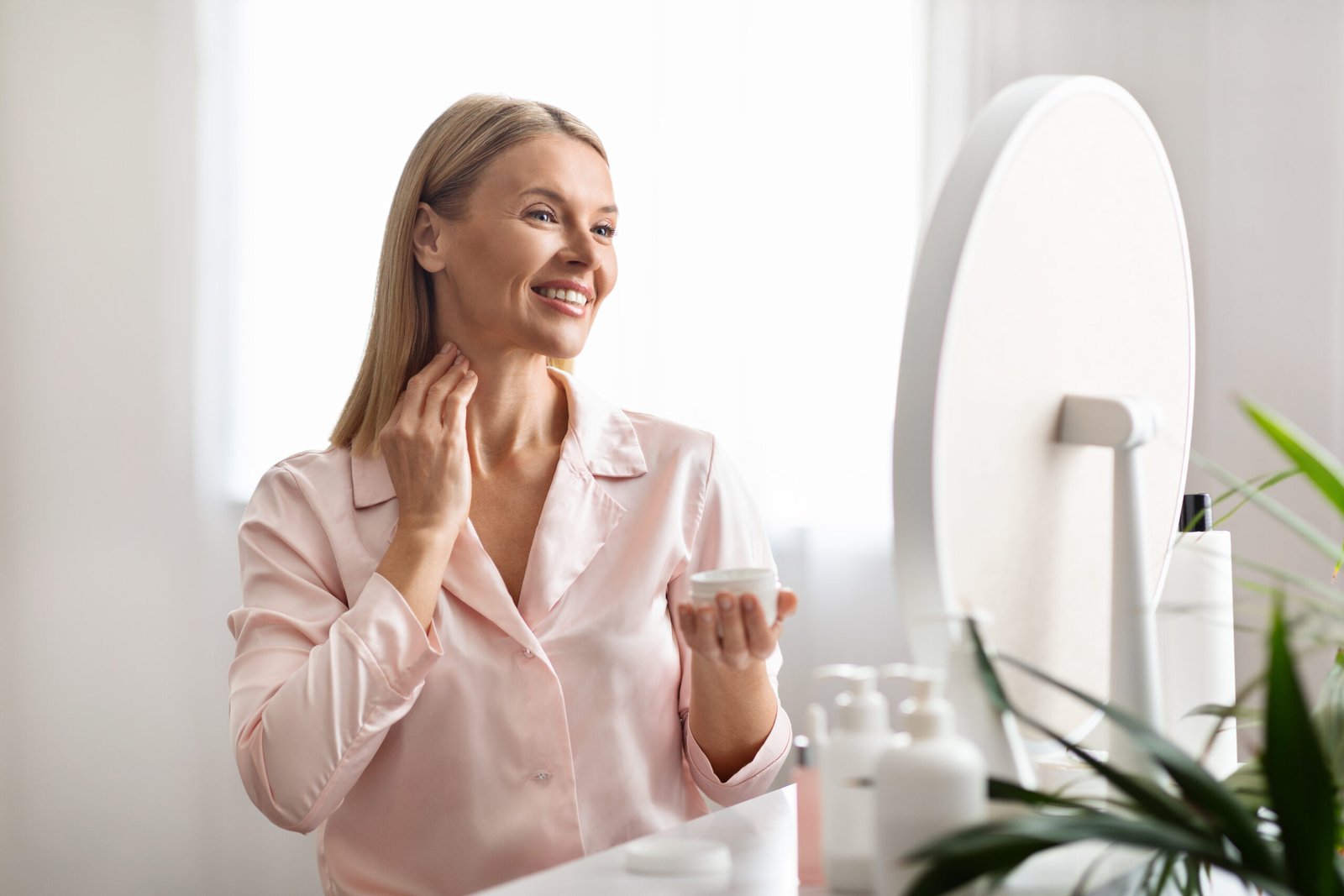
Introduction
Menopause is a natural phase in a woman’s life, usually occurring between ages 45 and 55, marked by the end of menstrual cycles. The hormonal changes during menopause-especially the decrease in estrogen-can significantly affect the skin. This guide explores common skin concerns during menopause and offers effective skincare strategies to help you look and feet your best.
How Menopause Affects the Skin
Estrogen plays a key role in maintaining skin’s elasticity, moisture, and overall health. As estrogen levels drop:
- Dryness Increases: Skin may become more dry, rough, and prone to itching.
- Loss of Elasticity: Collagen production slows, leading to thinner, less firm skin and more pronounced wrinkles.
- Increased Sensitivity: Skin may react more strongly to products and environmental factors.
- Breakouts: Hormonal fluctuations can trigger adult acne or worsen rosacea.
- Pigmentation Changes: Age spots (hyperpigmentation) may become more noticeable.
Essential Skincare Steps During Menopause
- Gentle Cleansing
- Switch to mild, hydrating cleansers that don’t strip skin’s natural oils. Avoid harsh soaps and exfoliants, which can worsen dryness and irritation.
- Moisturize Generously
- Use rich, nourishing moisturizers containing ingredients like hyaturonic acid, ceramides, and glycerin to help restore moisture barrier and plump the skin.
- Sun Protection
- Wear broad-spectrum sunscreen (SPF 30 or higher) daily to protect against increased risk of sun damage and pigmentation issues.
- Targeted Treatments
- Consider serums with antioxidants (vitamin C, E), peptides, and retinoids to support collagen production, brighten skin, and minimize fine lines. Always introduce retinoids slowly, as menopausal skin can be more sensitive.
- Support with Diet and Hydration
- Eating a balanced diet rich in antioxidants, omega-3 fatty acids, and staying well-hydrated can help skin from the inside out.
- Professional Care
- Consult a dermatologist for personalized guidance, especially for persistent issues like severe dryness, acne, or pigmentation.
Recommended Ingredients for Menopausal Skin
- Hyaluronic Acid: Deeply hydrates and helps retain moisture.
- Ceramides: Strengthen skin’s barrier to prevent moisture loss.
- Peptides: Support collagen and elastin production.
- Retinoids: Promote cell turnover (use with caution).
- Niacinamide: Reduces redness, improves elasticity, and evens skin tone.
- Antioxidants: Protect against environmental damage.
Lifestyle Tips for Healthy Skin During Menopause
- Stay Hydrated: Drink plenty of water throughout the day.
- Get Enough Sleep: Aim for 7-8 hours of quality rest to support skin repair.
- Manage Stress: Practice relaxation techniques like yoga or meditation.
- Exercise Regularly: Promotes healthy circulation and glowing skin.
- Avoid Smoking and Limit Alcohol: Both can exacerbate skin aging and dryness.
Conclusion
Menopause brings unique skin challenges, but with the right care and attention, you can maintain healthy, radiant skin. Focus on gentle, nourishing products, consistent sun protection, and a holistic approach that supports your skin from within. Remember, every woman’s skin is different-listen to your skin’s needs and adjust your routine as necessary.
Hi, this is a comment.
To get started with moderating, editing, and deleting comments, please visit the Comments screen in the dashboard.
Commenter avatars come from Gravatar.